Cycling Aerodynamics 101 For Triathletes

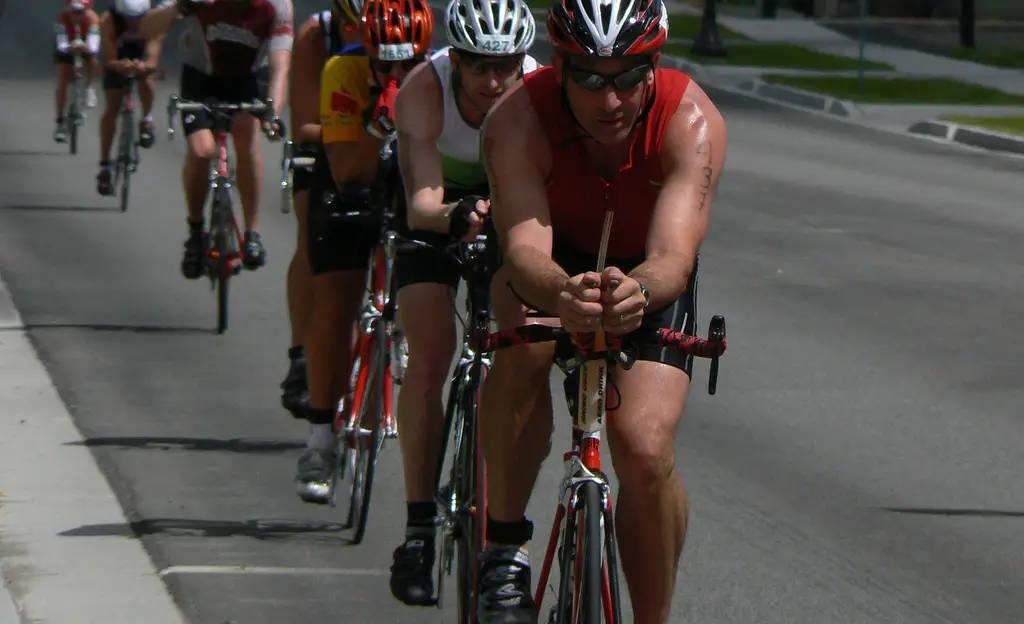
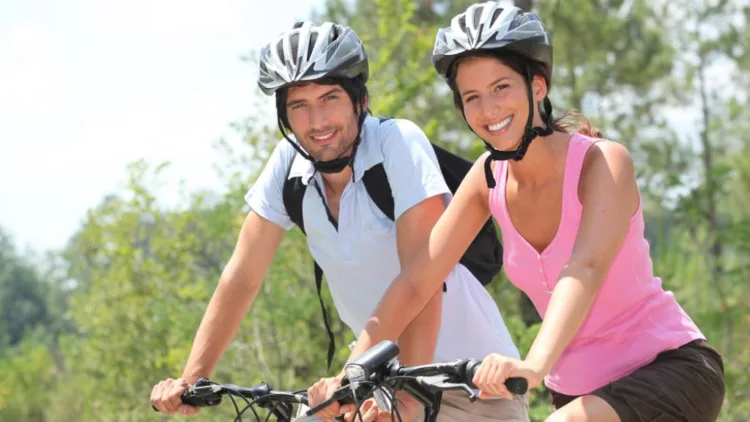
cyclists-drafting-on-bike-by-kami-jo.jpg It’s about energy management.

The longer the distance of your triathlon, the more crucial it becomes that you waste as little energy as possible.

Every triathlete has a love-hate relationship with air. You have to breathe it, but it’s an obstacle otherwise — especially on the bike, which is the longest portion of every triathlon. Catch the air like a kite, and you are in trouble; slip through the air like a knife, and you have mastered an essential element for triathlon performance.


Read more

Social Networking Internet Sites For Triathletes

Here are a few benefits of social networking sites for triathletes — from niche networking to race-specific details, and everything in between. You’ll find some of the best triathlon sites to focus on, and ones to stay away from.

Importance Of Swimming Technique For Triathletes

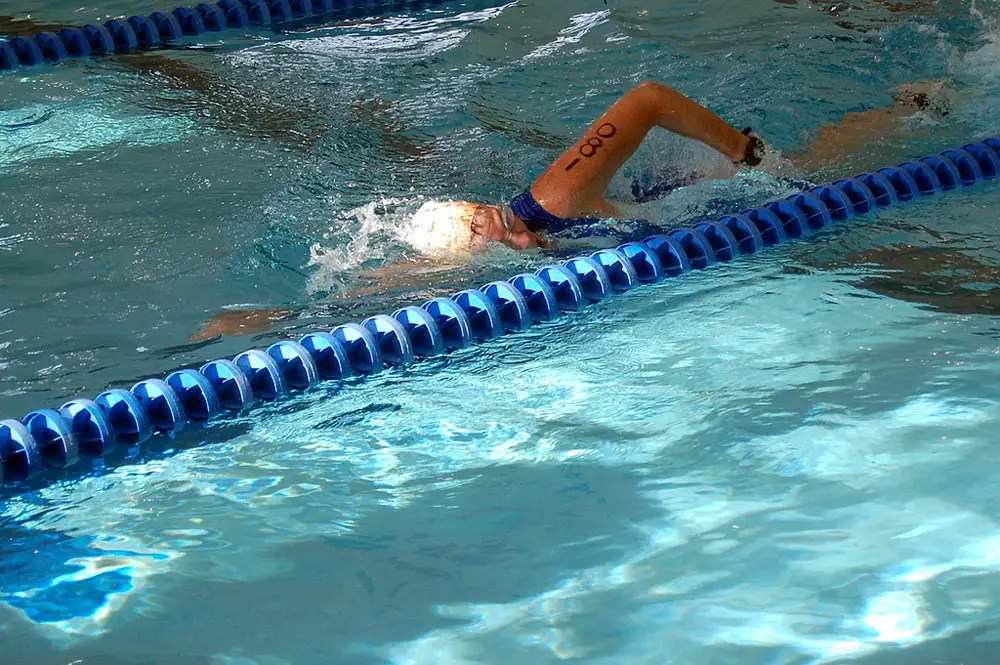
swim-technique-by-cellphonesusie.jpg We’ve all heard the phrase “practice makes perfect.” But it’s not necessarily true.

If your technique is flawed, all that “practice” does is reinforce something that ultimately is going to prevent progress and performance.

Here’s one of those little triathlon “secrets” that takes an amateur awhile to get in their head. Your success and performance as a triathlete will be limited more by your skills than what we typically think of as “fitness.”

Case in point: Derek Clayton. Until 1981, Clayton held the world record for marathon – 2:08:34. Surprisingly, his VO2 max paled in comparison to his rival competitors. None of these runners came close to Clayton’s time, despite having superior cardiovascular engines. How did Clayton do it? Economy. He simply wasted less energy when he ran than did his competitors. Clayton had perfected a highly economical running technique.

So, here’s my advice: FOCUS ON TECHNIQUE! Get it right, give it attention regularly, and incorporate technique work as a non-negotiable component of your triathlon training plan.

There is no place where the issue of technique comes up for the triathlete more than in swimming.

Read more

What’s Your VO2 Max? Should You Get Tested?

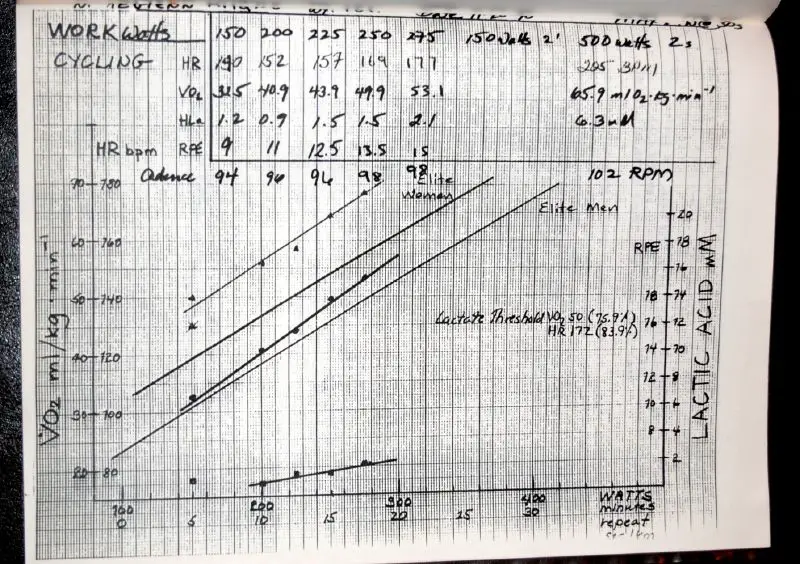
vo2-max-test-results-by-rodeomilano.jpg So, you’re relatively new to the sport of triathlon. You’ve met other triathletes, perhaps become involved in a triathlon group or club, and you search out triathlon information on the Internet.

You have more or less figured out the main pieces involved in triathlon training and competition, but there are a few things that are still a little foggy. Like VO2 max. You’ve heard the term, but it’s all Greek to you.

Let me help. Here’s everything you want to know about measuring and testing VO2 max…

Read more

Triathlon Vacations: How To Turn A Triathlon Event Into A Family Vacation

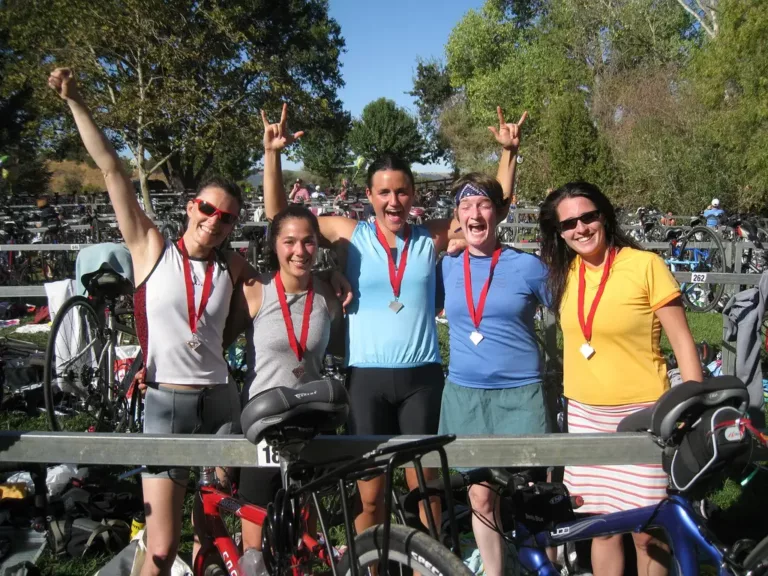
triathlon-family-by-scott-ableman.jpg The fastest growing segment of people entering the sport of triathlon is men and women over the age of 40. The designation “triathlete” is no longer just the college student or 20-something single, but includes dads and moms in the thick of their careers and raising 2 or 3 kids.

Balancing the time and energy demands of the sport of triathlon with family life can be a challenge.

One way triathletes are doing this is by specifically choosing triathlon events that can be turned into a family vacation.

What follows are some tips for turning your next triathlon event into a family vacation.

Read more

Triathletes and NSAIDs: Do You Know The Risks?

triathlete-post-race-by-jdlasica.jpg I’m over 40. In terms of triathlon training, swimming doesn’t bother me too much, but long bike rides and most runs take their toll.

Pam knows when I’ve done a long run. I walk gingerly through the house, grimace in pain when getting out of a chair, and normally have difficulty sleeping that night. If I had a dollar for every bottle of ibuprofen I’ve used, I’d be set even if Wall Street collapsed…again.

I also got in the habit of taking my ibuprofen along to triathlon races. I remember once getting ready to pop a few during my bike-to-run transition, when another triathlete nearby said, “Are you sure you want to do that?”

His concern motivated me to do some research. What follows is a portion of what I learned.

Read more