Entries tagged with: bikes
8 result(s) displayed (1 - 8 of 8):
It’s about energy management.
The longer the distance of your triathlon, the more crucial it becomes that you waste as little energy as possible.
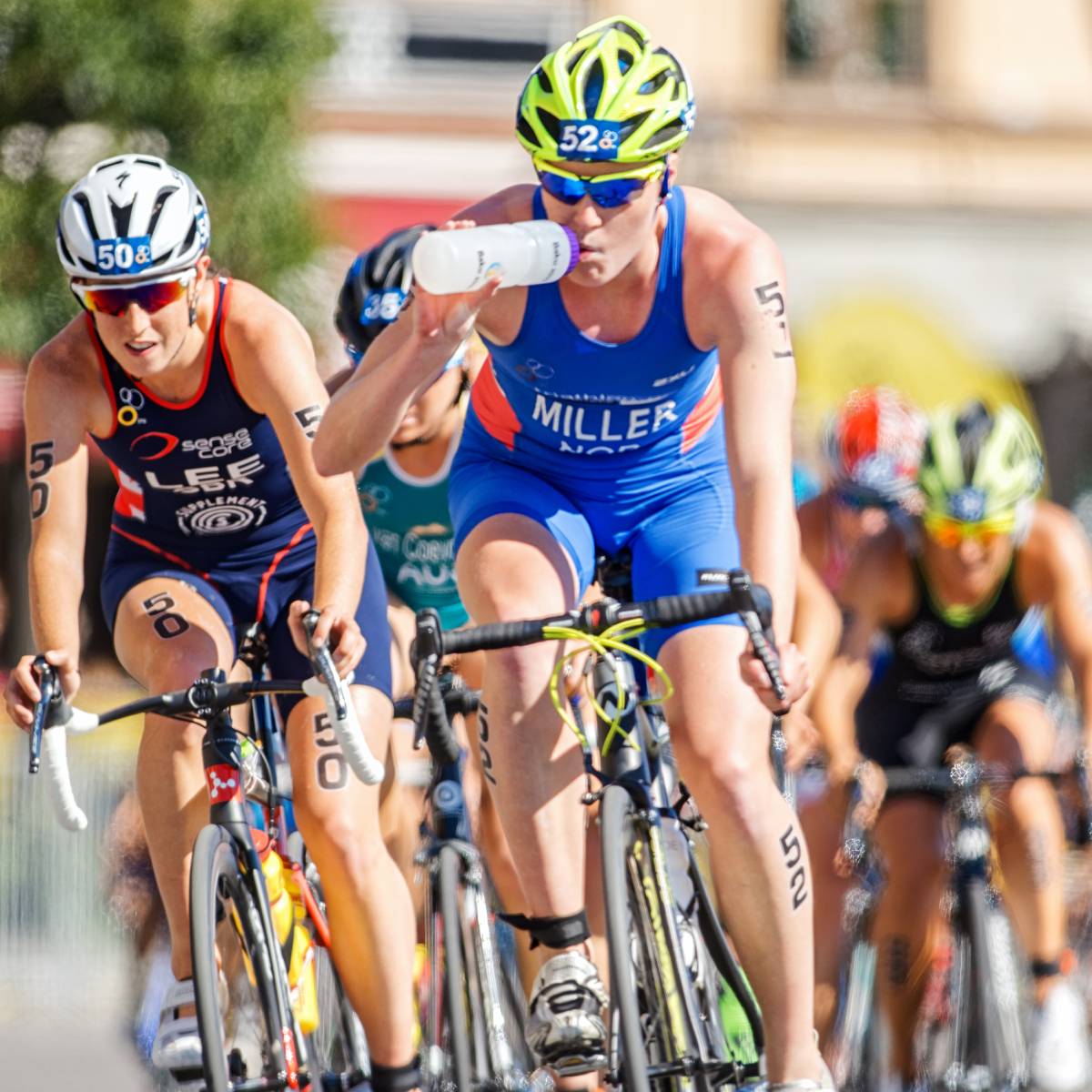
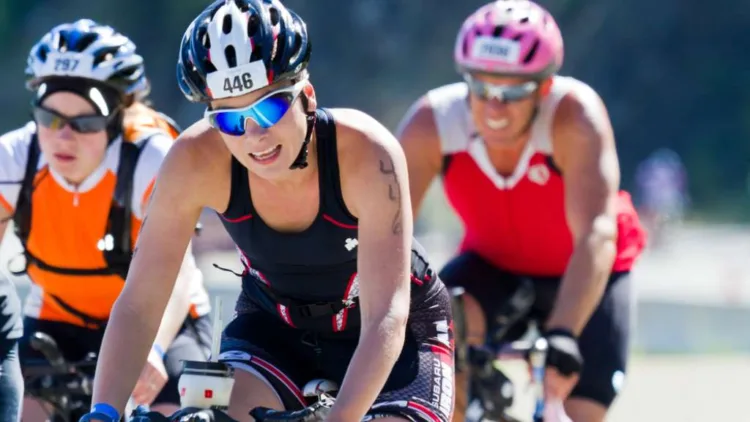
Every triathlete has a love-hate relationship with air. You have to breathe it, but it’s an obstacle otherwise -- especially on the bike, which is the longest portion of every triathlon. Catch the air like a kite, and you are in trouble; slip through the air like a knife, and you have mastered an essential element for triathlon performance.
The fastest growing segment of people entering the sport of triathlon is men and women over the age of 40. The designation “triathlete” is no longer just the college student or 20-something single, but includes dads and moms in the thick of their careers and raising 2 or 3 kids.
Balancing the time and energy demands of the sport of triathlon with family life can be a challenge.
One way triathletes are doing this is by specifically choosing triathlon events that can be turned into a family vacation.
What follows are some tips for turning your next triathlon event into a family vacation.
Maybe you’ve never given much thought to your bike seat.
People invest a lot of time determining the brand of bike to purchase, the correct bike fit, the bike’s components, and the right tires. A new bike obviously comes with a seat, yet typically people don’t really question or investigate whether their bike seat is the best bike seat for them. Mistake!
Triathlons & Training = A Lot Of Seat Time
In the sport of triathlon, the biking mileage is the longest compared to the swimming and running portions. For example, in a full Ironman triathlon, you bike 112 miles.
Because the biking portion is the most significant, a triathlete spends a lot of hours and logs a lot of mileage training on his or her bike. This means a lot of time sitting on your rear end.
As I began increasing the mileage on my training rides, I noticed that it wasn’t so much my legs that were aching, but my neck, wrists, lower back, and butt. The right bike seat can make a huge difference in your training for and competing in triathlons.
If you're a newbie, then you are probably wondering if you should have a tri bike or not.
My story goes as follows...
I was a runner who got into cycling, and eventually took up the sport of triathlon. By the time I got to doing triathlons, I already had a road bike.
The big question was: Should I get a triathlon-specific bike to train and compete in triathlons?
Here are some things you might want to consider.
You probably need a line-item in your personal budget for triathlon.
The financial investment in tri gear, events, nutrition, and an endless list of other things definitely adds up.
A person could easily spend in the thousands of dollars for a year of training and competing in triathlons.
What follows are some ideas on cutting tri costs.
I mentioned earlier that there are 3 categories of bike gear:
Must Have
A Good Idea
Would Be Nice
We covered the Must Have list; now it’s on to the other 2 categories.
There are different triathlon distances. The most common are:
Sprint (swim 0.5, bike 12.4, run 3.1)
Olympic (swim .93, bike 24.8, run 6.2)
Half Ironman (swim 1.2, bike 56, run 13.1)
Ironman (swim 2.4, bike 112, run 26.2)
Notice that the longest leg in every triathlon is cycling, which means you're going to be spending a lot of time training on a bike.
So, the next few posts are going to explore the cycling universe.
Tag results powered by Fast Search
- Selecting The Perfect Triathlon Gift
- 7 Easier Ways To Rake Leaves (...And Keep It FUN!)
- Cycling Aerodynamics 101 For Triathletes
- Relatives Coming To Visit? Let Them Stay In Your RV!
- 9 Moving Tips For Those Who Have Pets
- Optional Items You Might Want To Pack For Fun & Convenience Off Road
- Vegetarian [Vampires] Taste Better...Especially in Twilight
- Little-Known Facts About The New Hampshire State Quarter
- Tips For Stretching Your RV Fuel Dollars
- A Fantastic Glass Tile Backsplash Idea: Plus Tips On DIY Installation