How To Be A Green Triathlete

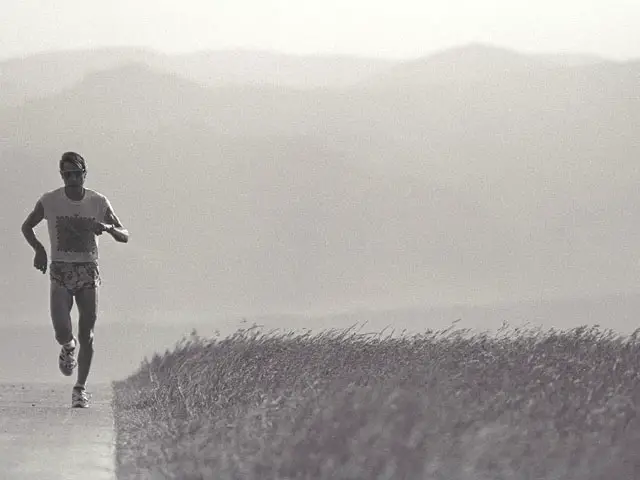
running-in-the-high-plains-by-hartvandenburg.jpg Green.

It’s not just a color anymore, but identifies an ecological movement that has risen to the forefront of cultural awareness in recent years.

It’s a mentality and way of life that attempts to reduce an individual’s and society’s use of the Earth’s natural resources.

It’s often referred to as “sustainable living” or “ecological living,” which involves reducing our carbon footprints by such things as altering methods of transportation, energy consumption, and diet.

Being green means living your life in a way that is consistent with sustainability in which the Earth’s resources are used at a rate at which they can be replenished. Being green is being respectful of humanity’s symbiotic relationship with the Earth’s natural ecology and cycles. By minimizing our “ecological footprints” — the extent to which we create an environmental impact — we hope to preserve the Earth for future generations of human beings and other life.

It’s not easy being green, but there are a wealth of resources aimed at educating us about ecological living, and offering practical guidance in this way of life. For example, there is Wikia Green, which is a database of resources related to living green. The singular most practical site I have come across about living green is The Fun Times Guide to Living Green, written by Jeffrey Davis.

So, what does this have to do with the sport of triathlon and you as a triathlete?

Read more

Should Triathletes Do Free-Weight Squats?

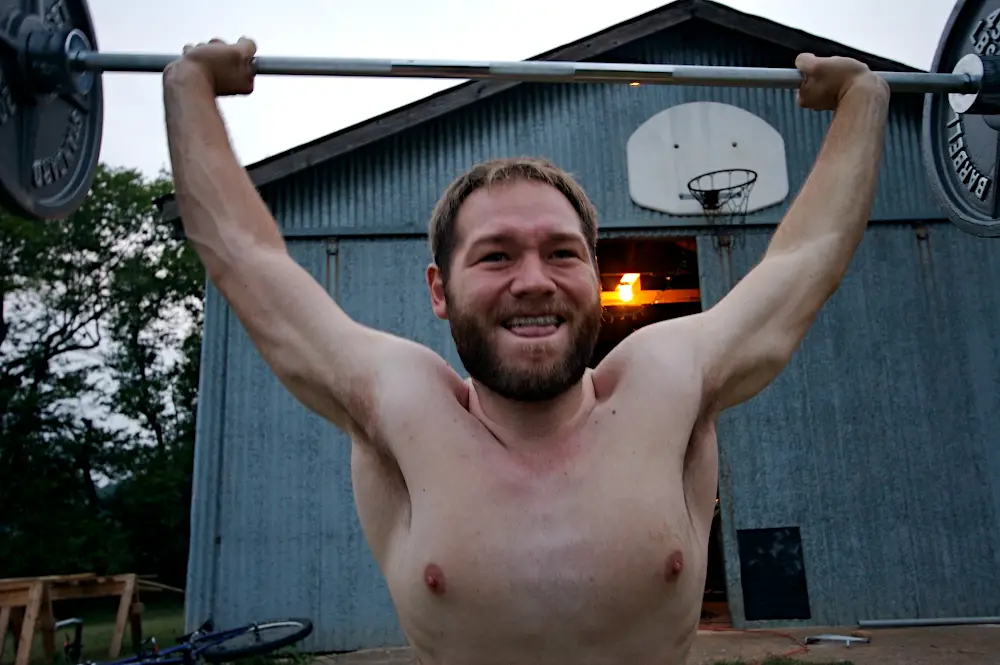
free-weight-squats-by-hrtmnstrfr.jpg “They” say real men (and women) do free-weight squats.

“They” say those leg machines are for wimps.

In the weightlifting world, free-weight squats separate the men from the boys and the women from the girls. There’s a certain squat snobbery you find among serious weight lifters.

Putting all that aside, there may be good reason for you to be doing free-weight squats as a triathlete.

First off, hopefully you know the importance of strength training for a triathlete. We’ve discussed strength training for triathletes here before.

This post is specifically about evaluating free-weight squats for the triathlete…


Read more

The Psychology And Physiology Of The Over-40 Triathlete

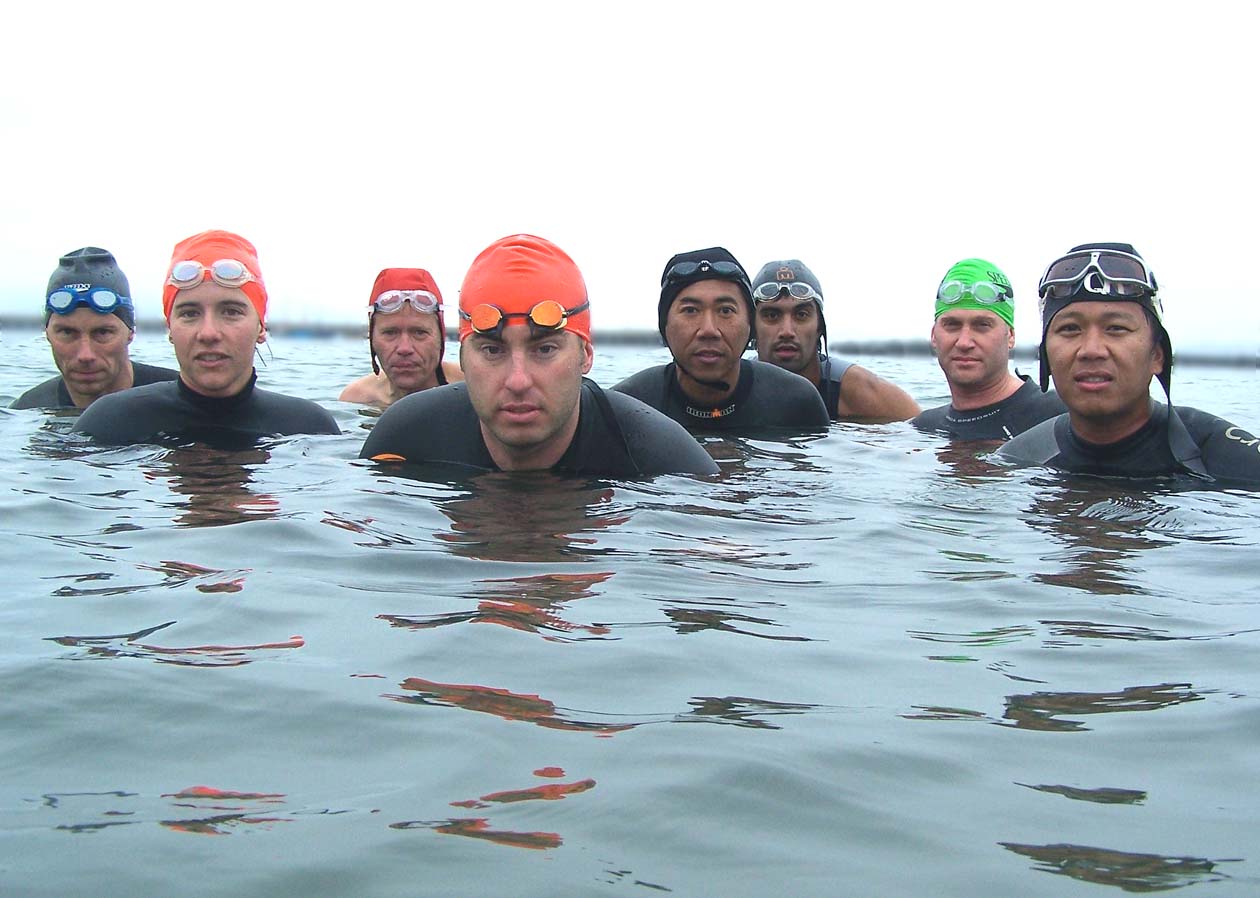
triathletes-swimming-by-Big-Blue-Ocean.jpg People in their 40s represent the fastest-growing segment in the sport of triathlon.

This is but one expression of the “fit after 40” time we live in. An increasing number of people are becoming involved in endurance sports in the second half of their life journey; maybe you are one of them.

Coach Don Nava, in his book Fit After 40: 3 Keys To Looking Good And Feeling Great, says there are 5 major questions people ask as they cross the line into the second half of their lives:

  • Will I ever feel young again?

  • Is my life going to make a difference?

  • Have I reached the pinnacle of my ability?

  • Is this all the happiness I can ever hope to have?

  • What will happen after I die?

Nava also defines true “fitness” to include 6 areas:

  • physical

  • directional

  • nutritional

  • emotional

  • mental

  • spiritual 


It’s no secret then why the sport of triathlon has become increasingly popular among the over-40 crowd. Training and competing in triathlons can help shape an answer to some of the above questions, and provides plenty of opportunity to grow in each of those 6 areas.

Read more

New Year’s Resolutions To Help You Become A Better Triathlete

new-years-resolution-by-husin-sani.jpg A New Year’s Resolution is a commitment that an individual makes to a project or the reforming of a habit, often a lifestyle change that is generally interpreted as advantageous.

The name comes from the fact that these commitments normally go into effect on New Year’s Day and remain until fulfilled or abandoned.

Statistics show that the most popular New Year’s Resolutions are:

  • Lose Weight
  • Pay Off Debts
  • Save Money
  • Get a Better Job
  • Get Fit
  • Eat Right
  • Get a Better Education
  • Drink less Alcohol
  • Quit Smoking
  • Reduce Stress Overall
  • Reduce Stress at Work
  • Take a Trip
  • Volunteer to Help Others


Resolutions Can Help You Achieve Your Goals

Recent research shows that while 52% of participants in a New Year’s Resolution study were confident of success with their goals, only 12% actually achieved their goals.

Two interesting things worth noting from this study:

1. Men achieved their goal 22% more often when they engaged in goal setting, a system where small measurable goals are used (lose a pound a week, instead of saying “lose weight”)

2. Women succeeded 10% more when they made their goals public and got support from their friends.


Following are some tips for coming up with New Year’s Resolutions that could help you to become a better triathlete…

Read more

Can The 300 Workout Program Help Triathletes?

A fellow triathlete asked me the other day if I had ever tried doing the 300 Workout.

Huh?

Message to Jim: Check out The 300 Workout.
 

300-movie-poster-by-Santosh-Dawara.jpg 300 is a 2007 film adaptation of the novel with the same name by Frank Miller, and is a fictionalized retelling of the Battle of Thermopylae in 480 B.C. The film is directed by Zack Snyder, while Miller served as executive producer and consultant. The film was shot mostly with a super-imposition chroma key technique, to help replicate the imagery of the original comic book.

Spartan King Leonidas (Gerard Butler) and 300 Spartans fight to the last man against Persian King Xerxes (Rodrigo Santoro) and his army of more than one million soldiers. As the battle rages, Queen Gorgo (Lena Headey) attempts to rally support in Sparta for her husband.

The story is framed by a voice-over narrative by the Spartan soldier Dilios (David Wenham). Through this narrative technique, various fantastical creatures are introduced, placing 300 within the genre of historical fantasy.

The film broke box office records, although critics were divided over its look and style.

As the film opens, King Leonidas (Gerard Butler) bids farewell to his beautiful wife, Queen Gorgo (Lena Headey) as he heads out to lead the Battle of Thermopylae. Butler is dressed for war — shirtless with a crimson cape flowing behind his broad, chiseled shoulders. Looking at Butler, you wonder how he got those 6-pack abs, whittled waist, and rock-hard thighs.

Well, the secret’s out.

The now not-so-secret training regimen, discussed all over the Internet (complete with how-to videos) is called the 300 Workout.

It’s the brainchild of Mark Twight, a self-taught exercise guru and former world-class mountain climber. At Gym Jones, his invitation-only, no-frills gym in downtown Salt Lake City (where he says there’s no air conditioning, no mirrors, and no place comfortable to sit), his mission was to whip the 300 actors and stuntmen into warrior-fighting shape — most of them in 8 to 12 weeks.

Here’s how it works…

Read more

Should Triathletes Eat Organic Foods?

organically-grown-vegetables-by-smikulen.jpg Perhaps you are a relatively new triathlete. As a result, lots of things have changed for you.

Triathlon training is a part of your daily life, you are much healthier and fit, and you pay close attention to your dietary and nutrition needs.

As it relates to what you eat, the whole issue of organic foods has probably come up. Should you be eating organic foods as a triathlete? Could doing so help your cause in training and competing in triathlons?

This post is designed to help you sort through the pros and cons of eating organic foods for yourself…

Read more

How To Remain A Triathlete Over The Long Haul

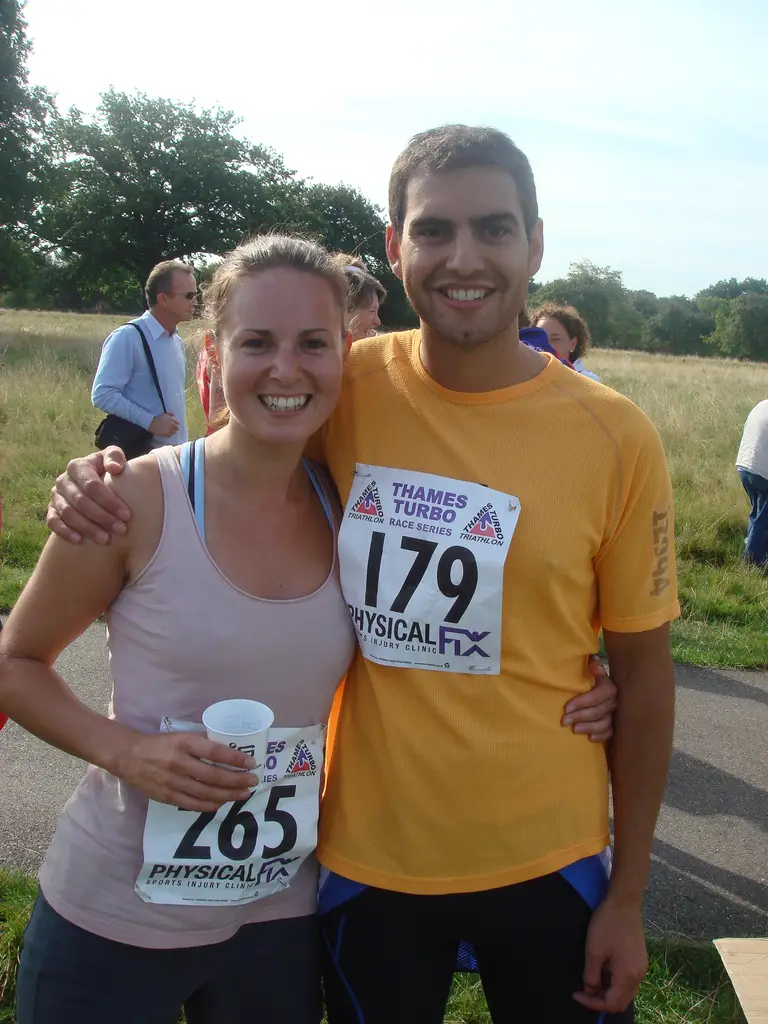
couple-triathletes-by-nick-butcher.jpg There is plenty of talk around the sport of triathlon about how popular it is has become, and all the newcomers fueling the sport.

But this past week I ran into two different people who said they, “used to do triathlons.” Which got me to wondering, is the sport of triathlon a revolving door? For every newbie, how many are tri leavers?

There are all sorts of reasons why a person might leave the sport of triathlon:

  • Time commitment – It’s a significant time commitment to train and compete in triathlons, especially the longer-distance triathlons. In terms of time and energy investment, training for an Ironman triathlon is the equivalent of a part-time, even full-time job.

  • Change of circumstances – Sometimes life circumstances affect your life at a level where you leave the sport of triathlon temporarily or permanently. Some life circumstances might change or re-order your life goals and priorities in a way that bumps triathlon commitments.

  • Injury – There are some who leave the sport of triathlon as a result of injury. Perhaps they had IB Band surgery, an injury caused by triathlon training, and so they have decided against getting back into it.

  • Burn out Some people overdue it, perpetually push their body to the limit, have no off-season, and ignore the basic principles of rest and recovery. Add these people to the list of tri leavers.

  • Unfulfilled expectations – If your triathlon involvement was a strategy for achieving self-worth or finding a date or outdoing the neighbor you despise and this doesn’t pan out, you might pull the plug on triathlon.

  • Fear of open water swimming – Some percentage of wannabe triathletes go swim in a lake and say, “No frickin way!”

  • Family conflict – For some people, the time and energy investment in triathlon becomes a family conflict, and can cause resentment. The divorce rate among professional triathletes is a consideration.

Read more