Outdoor FunSports Injuries

Insanely awesome tips for changing your body, mind and spirit as a triathlete while improving your overall health. How to eat right and improve your nutrition. How to achieve your fitness and training goals. How to deal with all of the aches and pains as well as the ups and downs along the way. And how to focus on the things that matter most while keeping a positive attitude as an athlete in training.

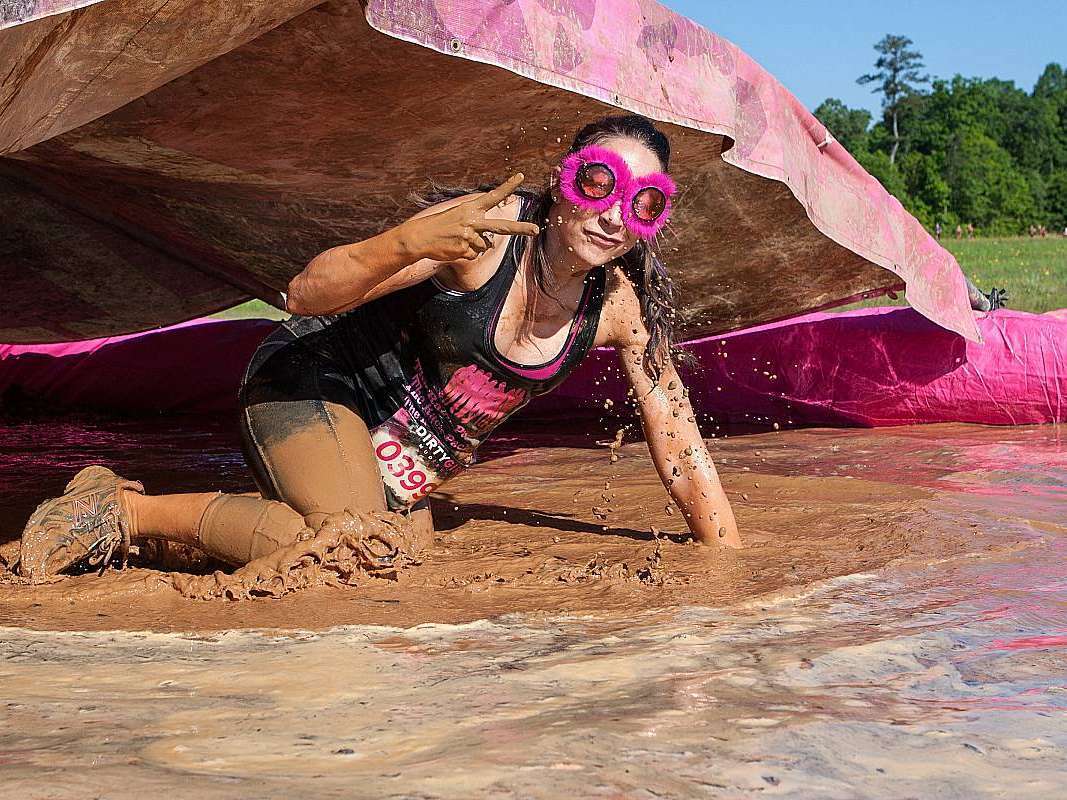
A study just came out which states that triathlons pose twice the risk of sudden death as marathons do. Here's how to reduce your triathlon risk, especially when swimming -- which is commonly viewed as the most dangerous aspect of the sport.

When it comes to sports drinks, bars and gels, it's in your best interest to avoid products with high fructose corn syrup in them. Here's why... plus some alternatives to consider.

When it comes to anti-inflammatory and pain relief products for an athlete's aches, pains, muscle strains and pulls, NSAIDs are not the only game in town. I want to encourage you to explore natural alternatives like essential oils. Here's why I use them.

I'm not an anti-medical establishment guy, but it was a little worrisome to discover the following trends in conventional healthcare...

Following are some of the most common triathlete injuries and how to treat them...

Bodyweight exercises are exercises that rely on your body weight alone -- no weights and no machines that provide resistance. Bodyweight exercises are stressful on the body without being damaging to the body. Here are the best bodyweight exercises for triathletes.

Water is the number one concern on any athlete's intake list. This is especially true for triathletes. You must stay hydrated for optimal performance as an endurance athlete. As you swim, bike, and run long distances, you sweat -- which means you lose body weight since water comprises the highest percentage of your weight.
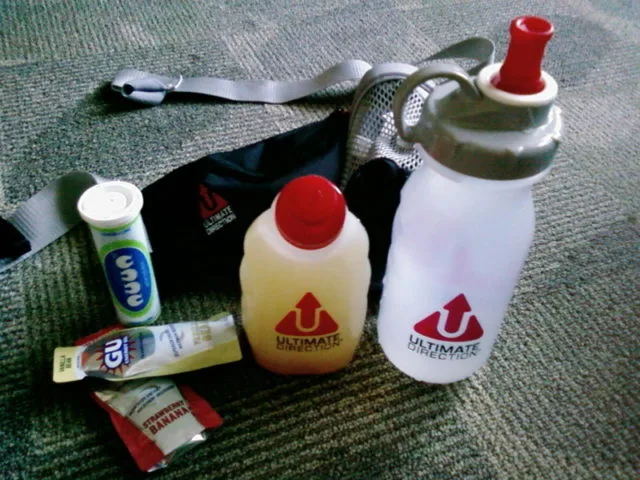

Wouldn't it be nice if you could know exactly how to re-fuel during endurance training and competition to ensure your body had everything it needs to perform at its best? The good news is that you CAN know. Here's everything you need to know about triathlete refueling strategies.

The two main questions you need to ask yourself before competing in your first Ironman are: Should you even consider doing an Ironman? and Are you ready for an Ironman? Let's break down all of the factors that go into answering those questions for yourself.

If you have a recent sport injury, you're probably wondering how this is going to affect your training. Each triathlete and each injury is unique. Returning too soon can increase your risk of re-injury or developing a chronic problem that will lead to a longer recovery. Waiting too long can lead to unnecessary de-conditioning.
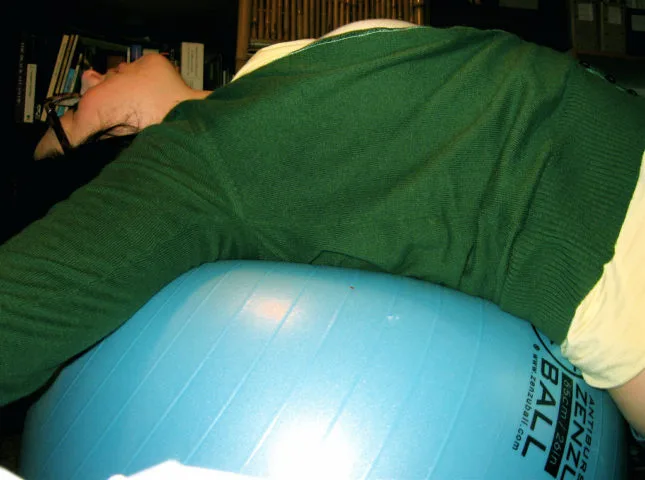
Between 2 and 6 million Americans suffer serious back pain every year. At some point in their lives, 4 out of 5 adults will suffer a pain severe enough to warrant medical care. In one study of Ironman triathletes, 91% had suffered at least one soft-tissue overuse injury during the previous year's training. Spine injuries were most common, with 72% of the triathletes reporting lower back pain.
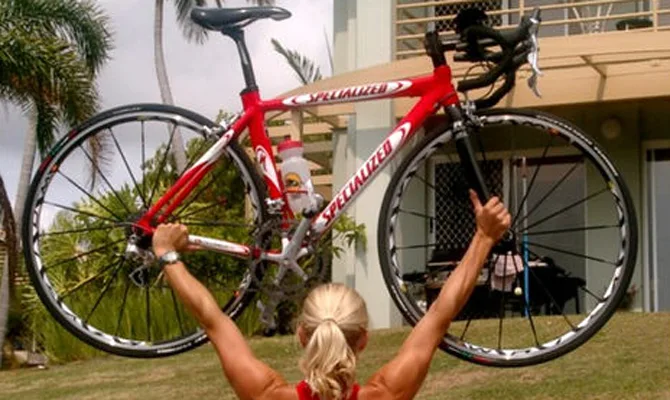
It would be wise for every triathlete to learn more about the 4 key nutrients of triathlon nutrition. Let's start by focusing on carbohydrates. Here's how they work in your body when you're competing. See which foods are highest in carb content.

You can't change your genetics, but you may be a candidate to significantly influence your body composition to aid your performance as a triathlete. Whatever body type you have, and whatever your body fat composition, improving your power-to-weight ratio will aid you in reaching your full potential as a triathlete.

During the off-season, all triathletes face the fear of losing fitness. Here are some tips to keep you on the right track all year round.

In fact, there may be some very good reasons that you should be doing free-weight squats as a triathlete.

As an over-40 triathlete, I want to encourage you to extend your longevity and enjoyment in the sport of triathlon by viewing your age as an advantage. Here's how...

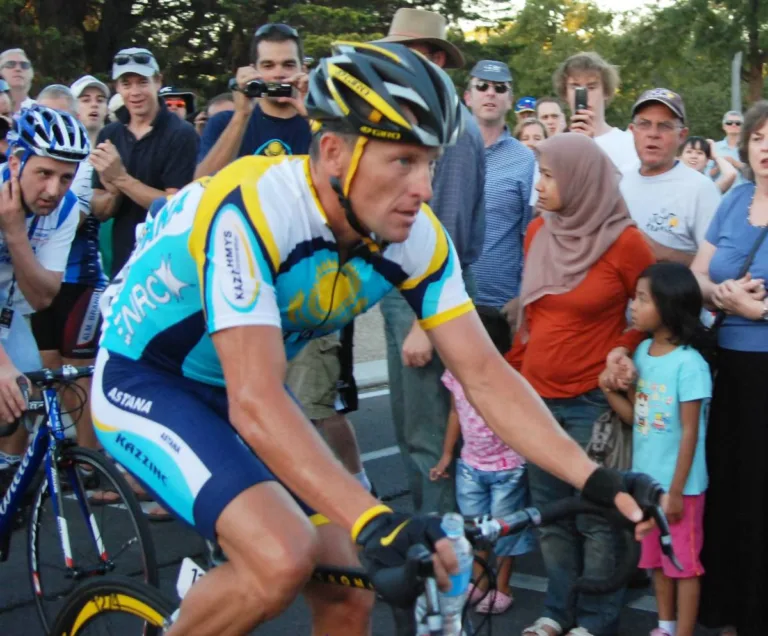
See how Lance Armstrong turned endurance sport training into a discipline of applied science, with emphasis on the aspects of Psychology and Nutrition.

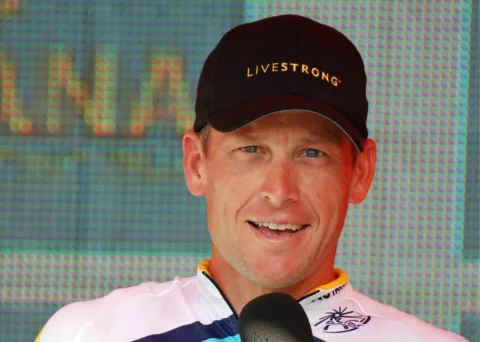
This post is about opening your eyes to cancer, the leading cause of death in America among adults under the age of 85. It happened to Lance Armstrong, a conditioned athlete. And it could happen to you.