Outdoor FunSwimming GearTriathlon Gear & Equipment

Triathletes spend countless training hours swimming laps and covering many miles by bike and foot. Listening to music makes triathlon training more enjoyable and may even give you a slight training edge! You probably already listen to music while you bike and run. Why not listen to music while you swim?
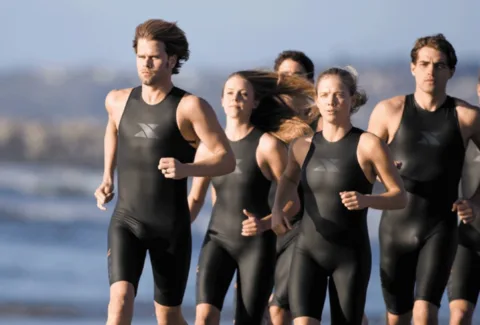
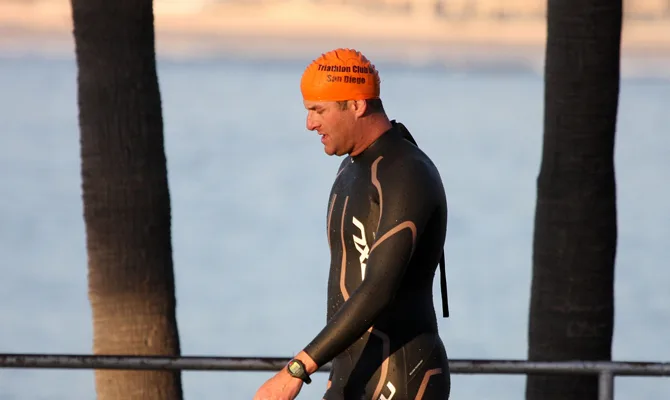
Here are the pros and cons of speedsuits compared to wetsuits -- to help you determine if you need a speedsuit for triathlon events or not. Plus, the top 11 speedsuits and what makes each speedsuit different from the rest.

I've learned firsthand that these are some simple ways to save big bucks on gear, equipment, events, and other things that triathletes typically spend a lot of money on.

One of the most significant mental or psychological disruptions for a triathlete is anxiety. Here are some common triathlete anxieties, as well as signals that anxiety may be affecting your triathlon performance.

Here we delve into matters of sports psychology and the mental side of the sport of triathlon. Athletes often say about their sports performance, "It's mostly mental." In the sport of triathlon this is particularly true. Here's how to build your confidence as a triathlete.

A study just came out which states that triathlons pose twice the risk of sudden death as marathons do. Here's how to reduce your triathlon risk, especially when swimming -- which is commonly viewed as the most dangerous aspect of the sport.

When it comes to sports drinks, bars and gels, it's in your best interest to avoid products with high fructose corn syrup in them. Here's why... plus some alternatives to consider.

When it comes to anti-inflammatory and pain relief products for an athlete's aches, pains, muscle strains and pulls, NSAIDs are not the only game in town. I want to encourage you to explore natural alternatives like essential oils. Here's why I use them.

I'm not an anti-medical establishment guy, but it was a little worrisome to discover the following trends in conventional healthcare...

Following are some of the most common triathlete injuries and how to treat them...

Here are some tips to help you prepare your triathlon bike for the upcoming triathlon season. Tips include: how to change a flat tire, how to clean your bike and lube your bike chain, how to tune-up your bike, and other basic bike maintenance tips.

Here are a few of the latest high-tech bike gear options for triathletes, including: triathlon bikes, triathlon shoes, cycling socks, LED bike lights, Lace locks for shoelaces, and gel bottles for cyclists.

Bodyweight exercises are exercises that rely on your body weight alone -- no weights and no machines that provide resistance. Bodyweight exercises are stressful on the body without being damaging to the body. Here are the best bodyweight exercises for triathletes.

Water is the number one concern on any athlete's intake list. This is especially true for triathletes. You must stay hydrated for optimal performance as an endurance athlete. As you swim, bike, and run long distances, you sweat -- which means you lose body weight since water comprises the highest percentage of your weight.
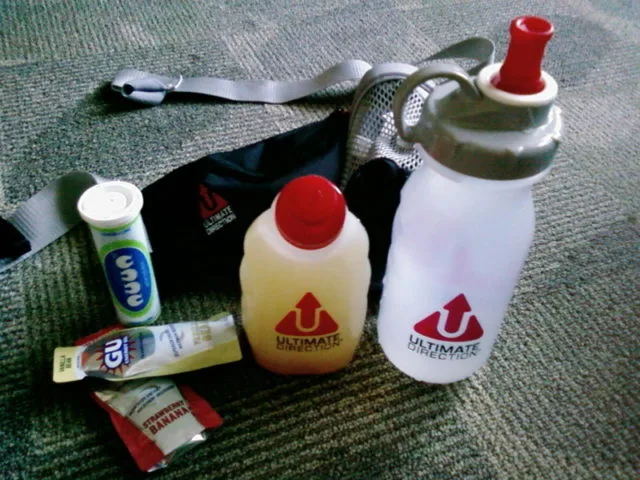
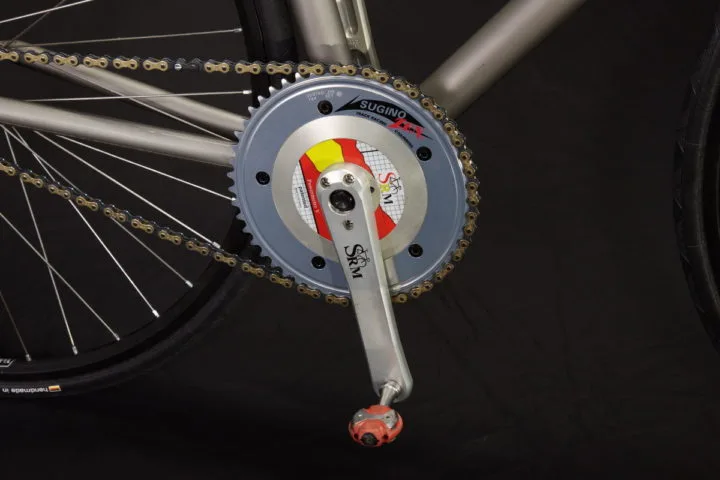
Wouldn't it be nice if you could know exactly how to re-fuel during endurance training and competition to ensure your body had everything it needs to perform at its best? The good news is that you CAN know. Here's everything you need to know about triathlete refueling strategies.

What if I told you that using a power meter could help you reach the performance level you desire in half the time you would spend training without it? It's going to cost you on the front end, but the investment may prove quite worthwhile, even more economical in the long run.

The two main questions you need to ask yourself before competing in your first Ironman are: Should you even consider doing an Ironman? and Are you ready for an Ironman? Let's break down all of the factors that go into answering those questions for yourself.

If you have a recent sport injury, you're probably wondering how this is going to affect your training. Each triathlete and each injury is unique. Returning too soon can increase your risk of re-injury or developing a chronic problem that will lead to a longer recovery. Waiting too long can lead to unnecessary de-conditioning.