Articles Tagged:

triathlons

Organic food is more expensive than conventional food. So the real question is: Does the additional cost of organic food justify going organic for a triathlete? I think most triathletes would agree that the fewer additives and chemicals they put into their body the better. Here's more...

Here are some things you can do to increase the chances that you will actually stick with triathlon as a sport, and continue to meet your short- and long-term goals.

When it comes to cycling, there are 4 basic ways that air moves around you. Here's how to maximize your aerodynamics while cycling and how to find the most aerodynamic position on the bike.

Here are a few benefits of social networking sites for triathletes -- from niche networking to race-specific details, and everything in between. You'll find some of the best triathlon sites to focus on, and ones to stay away from.

Here's one of those little triathlon 'secrets' that takes an amateur awhile to get in their head. Your success and performance as a triathlete will be limited more by your skills than what we typically think of as 'fitness'. The key: FOCUS ON TECHNIQUE!

There's a lot involved when traveling and vacationing in conjunction with a triathlon event, but with proper planning, it can be a great trip for all involved. What follows are some tips for turning your next triathlon event into a family vacation.

Are you a triathlete using NSAIDs for pain relief? Are you sure you want to do that? Here's what you need to know about the risks associated with taking NSAIDs like Advil, ibuprofen,

The best recovery tips for triathletes to practice after triathlon training sessions. Most important: rest, sleep, protein, and carbohydrates.

What you do this off-season is immensely important and will largely determine your in-season triathlon performance. One way or another, either through improvement or digression, how you handle the next several weeks in your triathlon training is critical.

Here are some obstacles to outdoor cycling training, as well as your best options for cycling throughout the cold winter months. Then, all the best cycling gear you'll need for winter biking is highlighted.

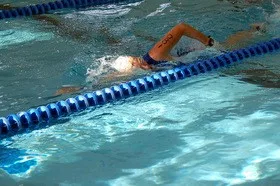
Here are some guidelines for choosing cold weather swim gear, plus tips for cold water swim training.

There is a mental and spiritual side to the sport of triathlon that is every bit as important as the physical aspects of training and competing. Here's how to keep your self-esteem in check while training and competing in triathlons.

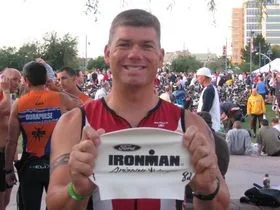
The most prominent triathlon race in the world, the Hawaii Ironman (also known as the Ford Ironman World Championship) will takes place each October. Here is a triathlete's guide to participating in the Hawaii Ironman event.

Many amateur athletes don't place a lot of value on stretching. But professional athletes sure do! And there is no sport where stretching is more important than the sport of triathlon. Triathletes with higher flexibility and elasticity in their muscles, perform more effectively and efficiently than athletes with low-elasticity muscles. Here's how add a basic stretching plan to your training routine.

What muscles are used in a triathlon? How well your muscles perform when swimming, biking and running comes down to how conditioned your muscles are to generate force within a wide range of motion. Weak, inflexible muscles can't generate much power and velocity, and are more prone to injury. This is why strength training is a vital part of triathlon training.
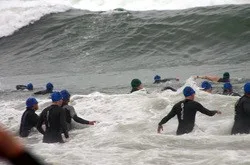
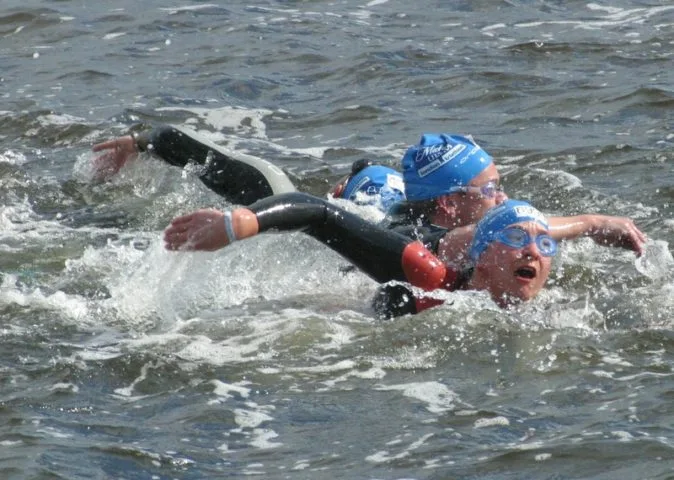
Windy triathlon conditions will at some point come into play at one of your triathlon events. Windy conditions are probably the most adverse weather situation a triathlete has to contend with -- especially in the swimming portion of the event. Here's how to handle high wind and waves when swimming.

Usually, triathletes preparing for upcoming events take it upon themselves to test the wisdom of systematic training. However, they pay the price for doing so. Here's how to do systematic training correctly in order to prepare for future triathlon events.

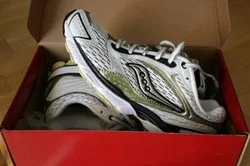
Here's how to determine your running stride, and what type of feet you have. Plus where to look for your next pair of running shoes.