Outdoor FunTriathlon Training Tips
Insanely helpful training tips for newbies from a fellow triathlete who’s been in your shoes. See how to set your own personal triathlon training goals and improve your skills during swim training, run training, and bike training in preparation for your first triathlon.

Many amateur athletes don't place a lot of value on stretching. But professional athletes sure do! And there is no sport where stretching is more important than the sport of triathlon. Triathletes with higher flexibility and elasticity in their muscles, perform more effectively and efficiently than athletes with low-elasticity muscles. Here's how add a basic stretching plan to your training routine.

What muscles are used in a triathlon? How well your muscles perform when swimming, biking and running comes down to how conditioned your muscles are to generate force within a wide range of motion. Weak, inflexible muscles can't generate much power and velocity, and are more prone to injury. This is why strength training is a vital part of triathlon training.

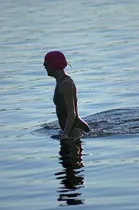
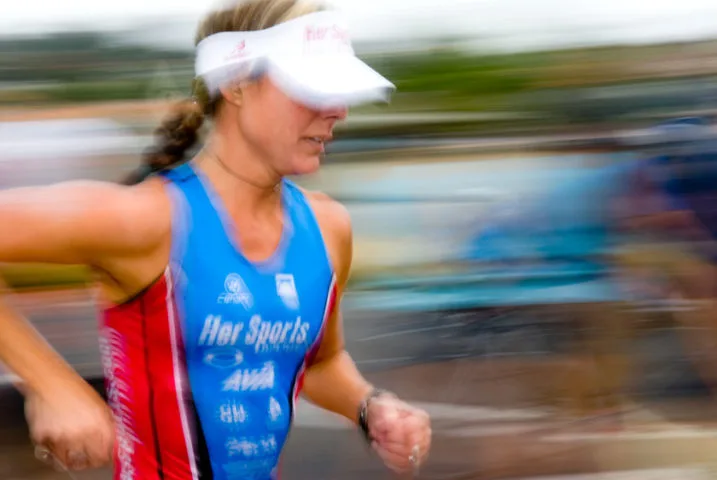
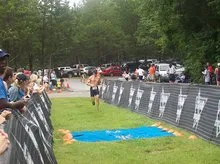
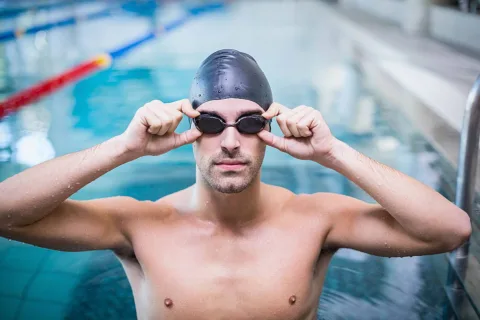
What is a Sprint Triathlon? How do you know where to start? What is on-site registration like? Those are a few of the questions you're likely to have as a new triathlete. It's also quite possible there will be times when, despite all your training and preparation, there will be a voice in your head as you swim, bike, or run that will call into question whether or not you are going to be able to do it. You CAN do it... here's how!
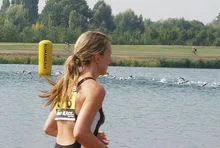
When establishing a triathlon training plan, you need to train in 3 different sports: swimming, biking, running. There are an endless number of training plans to choose from. I would encourage you to think of triathlon training as both a science and an art. Here are some triathlon training plans to consider.


Let's discuss 5 of the most common questions newbie triathletes have about triathlon training and triathlon events. The topics include: wearing underwear, drinking water, airing up bike tires, signing up for the Hawaii Ironman, and drinking energy drinks vs sports drinks. Here's what you need to know.
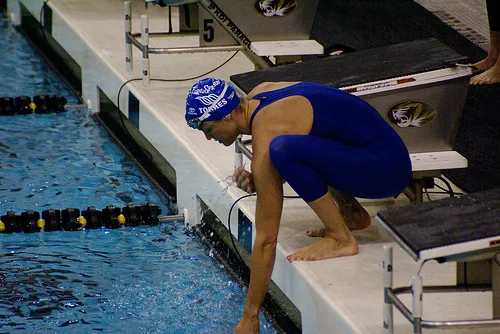
Whether you've just decided to do a triathlon or you've already done 30 of them, it's important to identify a specific triathlon race that you are training to compete in. Doing so gives you a solid goal to work towards, and a focal point to build your training program around. Here's how to choose a triathlon event, and what you need to know about triathlon races.

Where do you start to begin training for your first triathlon? Fortunately, you can find some great online triathlon training, as well as triathlon coaching online. There are also a number of triathlon training guides in the form of triathlon training books, DVDs, and lecture series. Here are some beginner triathlon training programs to consider when you are establishing your triathlon training plan.